
By GSA Worldwide Logistics Editorial Team · Updated 2026-08-22
Truck shipping from the Netherlands to Oman moves via RoRo or container vessel through Salalah Port or Sohar Port, both key Gulf gateways. GSA Worldwide Logistics collects trucks across the Netherlands, Belgium, and Germany, then handles export clearance, ocean transport, and import customs formalities in Oman under one dedicated point of contact.
The sea route from Rotterdam to Sohar covers approximately 6,900 nautical miles via the Suez Canal, while Rotterdam to Salalah runs slightly shorter at roughly 6,800 nautical miles. Door-to-port collection across the Netherlands, Belgium, and Germany typically adds three to five days before the vessel departs, and total transit time — from initial pickup through customs release in Oman — runs approximately 35 days on the most direct routing. Oman applies the GCC Common External Tariff, with a standard customs duty rate of 5% on most imported vehicles and equipment, alongside a 5% value-added tax introduced in 2021. Knowing these figures in advance lets exporters budget accurately rather than discovering costs after the truck has already sailed.
How does truck shipping Netherlands to Oman work?
Truck shipping Netherlands to Oman moves commercial vehicles and heavy equipment via Roll-on/Roll-off (RoRo) vessels, where trucks drive directly onto the ship at a European port and drive off at an Omani destination. GSA Worldwide Logistics specializes in RoRo shipping Oman for trucks, cars, vans, buses, and other wheeled machinery, handling every step from pickup to final delivery. The process eliminates the need for container loading, reducing handling damage and speeding up transit for self-propelled cargo.
The distance between Rotterdam and Oman’s two main ports runs approximately 6,800 to 6,900 nautical miles by sea, and total door-to-door transit — from collection in the Netherlands to customs-cleared delivery in Oman — runs approximately 35 days on the most direct RoRo routing. That figure includes roughly three to five days for European collection and port consolidation, around 28 to 32 days at sea via the Suez Canal, and the remaining days for Omani customs clearance and final road delivery. RoRo remains the most cost-efficient method for self-propelled cargo on this lane because it avoids the extra handling, lashing, and container stuffing fees that apply to trucks moved in flatrack or breakbulk configuration, which is why it is the default recommendation for any wheeled vehicle that can be driven on and off a vessel under its own power.
What documentation is required for truck shipping to Oman?
The freight forwarder manages all paperwork, port handling, loading, and delivery coordination for every vehicle shipment. Clients provide vehicle registration, proof of ownership, and a commercial invoice. The forwarder then prepares the bill of lading, export customs declaration, and any Oman-specific import certificates, ensuring compliance with import costs Oman and customs duties Oman regulations. Required documents typically include the original vehicle title or registration certificate, a commercial invoice showing the declared value used to calculate the 5% customs duty and 5% VAT, a packing list for any accompanying parts or tools, and a copy of the shipper’s passport or company registration. Vehicles older than a certain age may face additional Omani import restrictions, so the forwarder verifies eligibility before booking to avoid delays once the truck reaches Salalah or Sohar.
Which Omani ports receive RoRo truck shipments?
GSA Worldwide Logistics regularly handles shipments to Salalah port shipping. Sohar port shipping, both serving as key gateways for the Gulf region. For clients needing delivery to the capital, Muscat port import is also available. Salalah Port is one of the largest transshipment hubs in the Arabian Sea, with a container handling capacity of roughly 5 million TEU per year, while Sohar Port covers an industrial and port zone of more than 4,500 hectares and sits approximately 230 km northwest of Muscat by road. The cheapest sea route from Amsterdam to Muscat involves trucking cargo to Amsterdam port, transferring to a vessel bound for Port of Sohar, then delivering by road to the final destination. Total transit time runs approximately 35 days on the most direct routing, covering roughly 6,900 nautical miles by sea via the Suez Canal plus final road delivery to destination.
The forwarder coordinates weekly sailings Oman and weekly departures Rotterdam Oman through established carrier relationships, giving clients predictable scheduling. As a freight forwarder Netherlands Oman, GSA arranges pickup across the Netherlands, Belgium, and Germany, then consolidates cargo at Dutch terminals before loading onto RoRo vessels from Rotterdam port to Oman.
What are the key ports and routes for Oman?
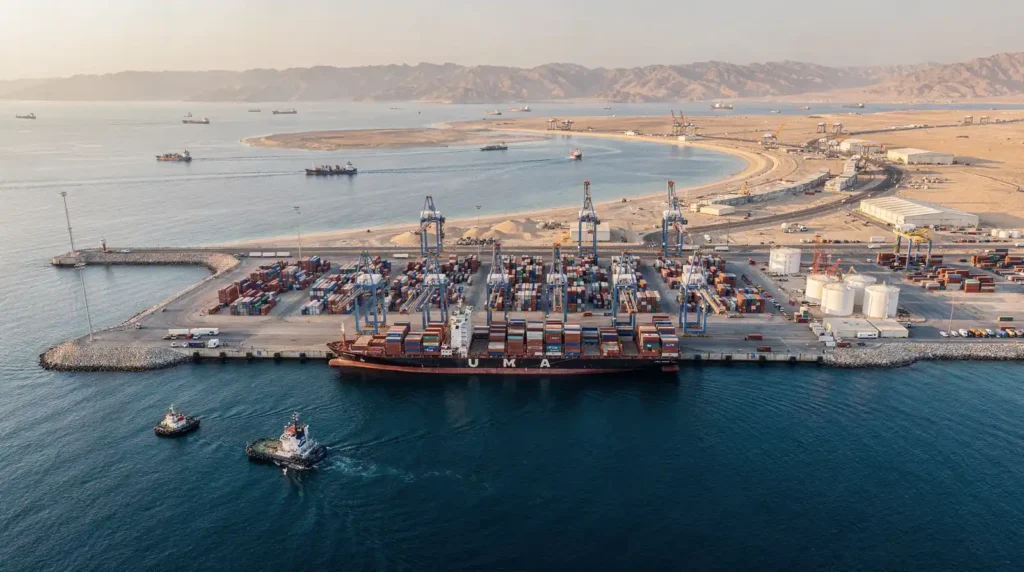
[Rotterdam to Salalah](https://gsalogix.com/uncategorized/container-shipping-rotterdam-india/) and Rotterdam to Sohar form the primary sea routes for truck shipping Netherlands to Oman. These two Omani ports handle the majority of RoRo and container cargo arriving from European gateways. Salalah port shipping serves the southern region and acts as a transshipment hub for the Arabian Sea, while Sohar port shipping provides direct access to the industrial zone north of Muscat. Both ports function as critical entry points for vehicles, machinery, and project cargo moving from the Netherlands to the Sultanate.
Rotterdam to Salalah covers approximately 6,800 nautical miles by sea, routing through the English Channel, the Strait of Gibraltar, and the Suez Canal before entering the Arabian Sea. Rotterdam to Sohar runs slightly longer at approximately 6,900 nautical miles, continuing past Salalah and around the Arabian Peninsula into the Gulf of Oman. Sailing time on either lane runs roughly 28 to 32 days at sea, with the remaining days of the approximately 35-day total transit accounted for by pre-carriage collection in Europe, port cut-off and loading windows, and final customs release and road delivery in Oman. Salalah Port sits at 17°N, close to the mouth of the Red Sea shipping corridor, which makes it one of the fastest calls for vessels transiting the Suez Canal southbound. Sohar Port, by contrast, lies inside the Gulf of Oman roughly 230 km by road from Muscat, positioning it as the more practical gateway for cargo ultimately destined for the capital region or the UAE border.
How does cargo reach Muscat from the port?
Muscat port import typically arrives via Port of Sohar rather than a dedicated Muscat container terminal. After the vessel docks at Sohar, cargo completes the final leg by road transport to the capital, a distance of approximately 230 km that typically adds one to two days depending on customs clearance timing. This combined sea-and-road routing keeps transit costs lower than direct calls to smaller berths, and it fits within the approximately 35-day total transit window from Netherlands pickup to Muscat delivery.
What is the sailing frequency on these routes?
Weekly sailings Oman are standard on the Rotterdam-to-Salalah and Rotterdam-to-Sohar lanes. Major carriers maintain weekly departures Rotterdam Oman as part of their Middle East Gulf services, ensuring predictable schedules for exporters. With sailings departing on a weekly basis and average sea transit of 28 to 32 days, exporters can generally count on a truck reaching Oman within roughly five weeks of the vessel’s departure from Rotterdam, plus the additional days needed for European collection at the front end and customs clearance at the back end. A freight forwarder Netherlands Oman coordinates the booking, port handling, and documentation so that cargo moves from Dutch collection to Omani delivery without gaps between carriers.
Salalah vs. Sohar: Key Figures at a Glance
The two ports differ in distance, routing, and onward delivery time, which affects total transit planning depending on the final Omani destination.
What are import costs and customs duties for Oman?
Import costs Oman and customs duties Oman depend on the cargo type, value, and applicable tariff classification. Oman applies the GCC Common External Tariff, which sets a standard customs duty of 5% on the CIF (cost, insurance, freight) value for most vehicles, machinery, and general goods, though certain categories carry higher or reduced rates depending on classification. A 5% value-added tax, introduced in Oman in April 2021, applies on top of the customs duty for most imported goods, including vehicles and commercial equipment. Rates vary significantly between vehicles, machinery, and general goods, and additional charges such as port handling fees, inspection fees, and destination documentation fees can add further cost. A freight forwarder Netherlands Oman provides accurate estimates before shipment, breaking down duty, VAT, and port charges so clients see the full landed cost rather than a partial quote, preventing unexpected fees at destination.
How does a freight forwarder help with Oman customs clearance?
GSA Worldwide Logistics handles import customs clearance at the destination country. This service helps clients receive goods smoothly and quickly while avoiding unnecessary storage costs caused by incomplete paperwork. The company understands the specific documentation, inspection, and customs requirements for shipping into the Middle East, including Oman. This knowledge allows the team to avoid delays and unnecessary costs for clients. In practice, this means calculating the 5% customs duty and 5% VAT on the declared CIF value before the shipment leaves the Netherlands, so the client has a firm landed-cost figure rather than an estimate. At the port, GSA coordinates with local customs agents to submit the bill of lading, commercial invoice, and any required inspection certificates promptly, which keeps a truck from sitting in port storage — a cost that can add up quickly when clearance stalls beyond the free storage period typically allowed at Salalah or Sohar.
What cargo types have different import costs?
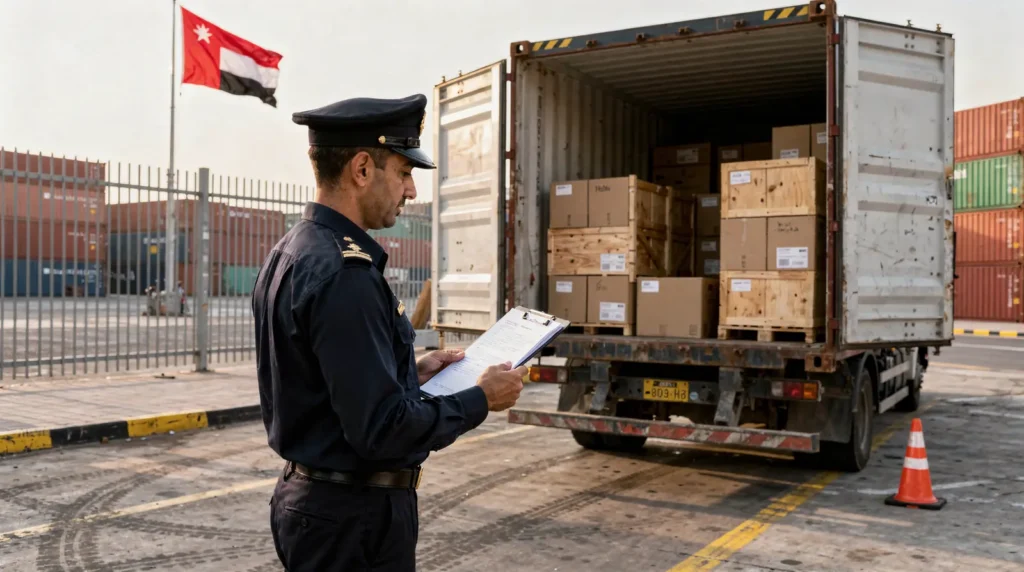
- Vehicles and trucks: Subject to a standard 5% customs duty plus 5% VAT on the declared CIF value, along with specific inspection requirements under RoRo shipping Oman and car and truck shipping to Oman. Heavier commercial trucks may face additional roadworthiness or emissions checks before Omani registration is issued.
- Standard container goods: General cargo in containers follows standard tariff classifications, typically the same 5% duty and 5% VAT baseline, with rates adjusted for specific product categories under the GCC Common External Tariff.
- Oversized equipment: Flatrack container shipping Oman or breakbulk methods apply for cargo that cannot be containerized due to size, shape, or weight. These shipments often require additional handling and documentation, including separate weight and dimension certificates, which can add several days to the approximately 35-day baseline transit and increase total import costs beyond the standard duty and VAT rates.
Conclusion
In closing, shipping trucks from the Netherlands to Oman represents a straightforward logistics solution when you partner with a freight forwarder that understands both European export requirements and Gulf region customs procedures. With sailings from Rotterdam covering roughly 6,800 to 6,900 nautical miles to Salalah or Sohar, an approximately 35-day total transit, and a predictable 5% customs duty plus 5% VAT on most vehicles and equipment, exporters have the figures they need to plan a shipment with confidence rather than guesswork. GSA Worldwide Logistics handles every element of your shipment—from port coordination in the Netherlands through final delivery in Oman—ensuring your vehicles arrive safely and on schedule. With established trade routes, regional expertise, and a commitment to transparent communication, we transform what could be a complex international move into a seamless, stress-free experience.